

Insomnia & Sleep Concerns
If you've been lying awake for hours night after night, you're not alone. Effective, evidence-based treatment is available, and restful sleep can be rebuilt.
Most people experience occasional sleepless nights, particularly during periods of stress or life change. However, when difficulty falling asleep, staying asleep, or waking too early becomes a regular pattern, it can begin to affect every aspect of life.
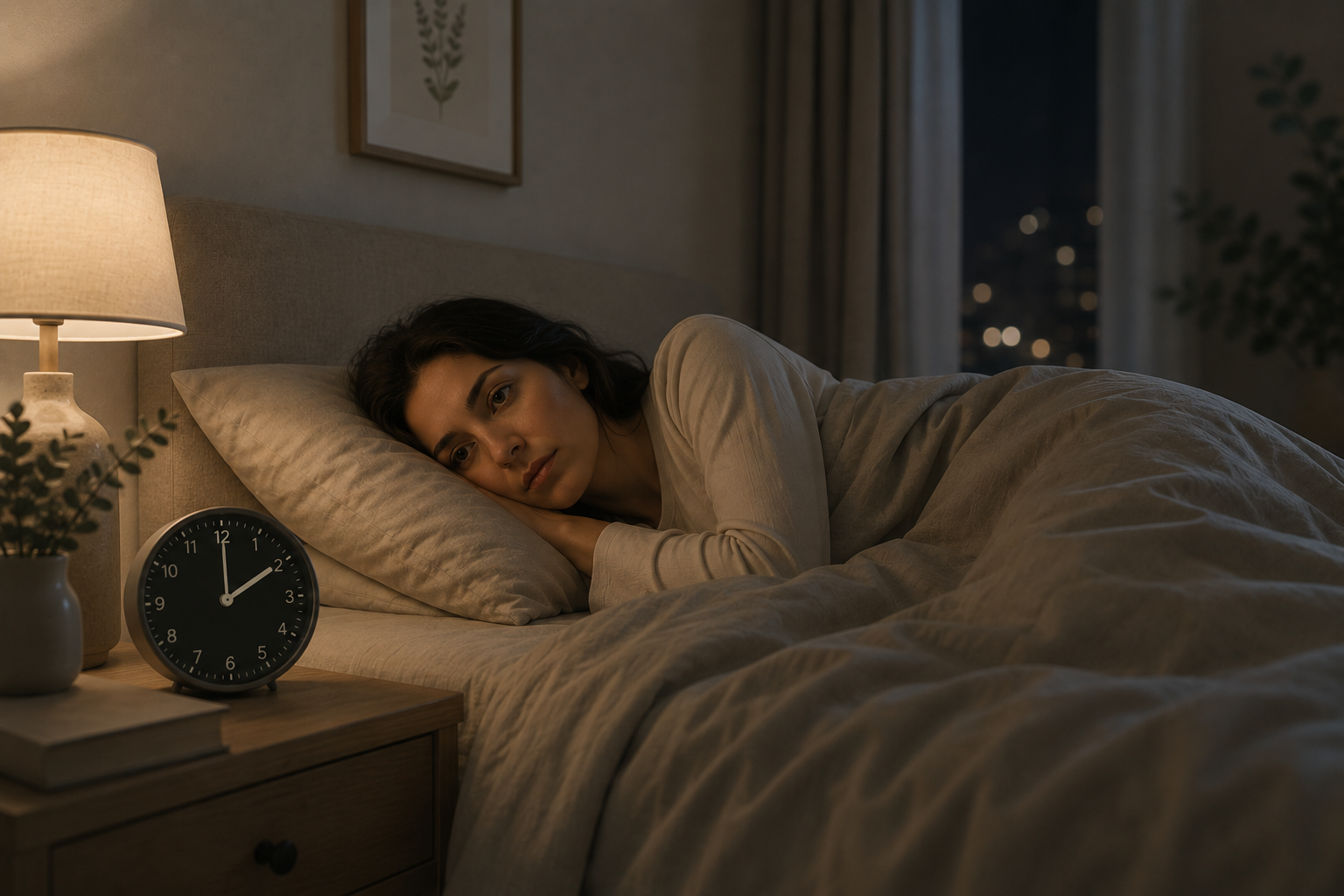
Persistent insomnia often leads to fatigue, difficulty concentrating, irritability, lower mood, and increased anxiety. Many people find themselves dreading bedtime, watching the clock throughout the night, or worrying about how they will function the next day. Over time, understandable attempts to regain sleep (like going to bed earlier) can actually keep insomnia going.
But, there is great news! Chronic insomnia is highly treatable. Cognitive Behavioural Therapy for Insomnia (CBT-I) is considered the first-line treatment for chronic insomnia and has been demonstrated in a myriad of strong studies to produce lasting improvements in sleep without relying on medication.
You may be experiencing:
Difficulty falling asleep despite feeling tired
Waking frequently during the night
Waking much earlier than intended and being unable to fall back asleep
Feeling anxious or frustrated about sleep
Racing thoughts at bedtime
Watching the clock throughout the night
Feeling exhausted during the day despite spending many hours in bed
Relying on naps, sleeping in, or other strategies that no longer seem to help
How therapy can help
Treatment begins with understanding the specific factors contributing to your sleep difficulties. While stress or anxiety may trigger insomnia, ongoing sleep problems are often maintained by changes in sleep habits, unhelpful beliefs about sleep, and understandable attempts to compensate for poor sleep.
During CBT-I treatment, you will learn to:
Improve sleep efficiency through behavioural strategies
Establish a consistent sleep schedule
Reduce time spent awake in bed
Address racing thoughts and nighttime worry
Reduce daytime worry and anxiety about sleep
Change unhelpful beliefs about sleep
Develop relaxation and wind-down routines
Learn strategies to prevent relapse and maintain healthy sleep over time
CBT-I is highly effective for many people experiencing chronic insomnia, whether it occurs on its own or alongside anxiety, depression, chronic pain, or other health concerns.
Frequently Asked Questions
Is CBT-I better than sleeping medication?
Clinical practice guidelines recommend CBT-I as the first-line treatment for chronic insomnia because it produces lasting improvements without the side effects or dependency risks associated with many sleep medications. Medication may still play an important role for some individuals, and treatment decisions are best made in consultation with your physician.
How long does treatment usually take?
Dr. Lachowski uses a CBT-I protocol of approximately 4 -6 sessions, although this varies depending on the nature of the sleep difficulties and whether other concerns, such as anxiety or depression, are also being addressed.
What if anxiety is keeping me awake?
Anxiety and insomnia often reinforce one another. Treatment addresses both the thoughts and behaviours that contribute to poor sleep while helping reduce the anxiety that develops around bedtime.
Will I have to stop drinking alcohol or coffee, or change my entire lifestyle?
Not necessarily. Therapy focuses on identifying the factors most relevant to your sleep and making realistic, sustainable changes. Recommendations are individualized rather than based on rigid rules.
Better sleep is possible.
Whether your sleep difficulties began recently or have been present for years, effective treatment can help you rebuild healthy sleep patterns and feel more rested again.
Working with Dr. Angela Lachowski
I provide virtual assessment and therapy for adults across Ontario using evidence-based treatments tailored to your unique needs and goals.
Did you know?
CBT-I is considered the first-line treatment for chronic insomnia because it produces longer-lasting improvements than medication for many people with persistent insomnia.
